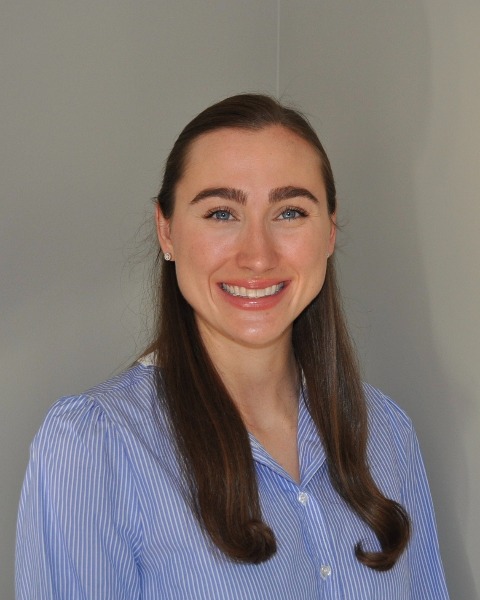
Student Registered Nurse Anesthetist Virginia Commonwealth University Arlington, Virginia, United States
Postpartum hemorrhage is the leading cause of maternal morbidity and mortality in the United States and globally. Rapid identification of hemorrhage and timely transfusion are crucial to reducing adverse maternal outcomes. Traditional approaches rely on empiric, fixed-ratio transfusion and static coagulation labs, which may not accurately reflect a patient’s dynamic coagulation status during acute hemorrhage. This session will explore the role of viscoelastic testing (TEG/ROTEM) in guiding targeted transfusion therapy for the obstetric patient. Participants will learn how these bedside tests provide assessment of clot formation, strength, and fibrinolysis, allowing the clinician to tailor transfusion to the individual patient’s needs. Evidence from obstetric populations will be reviewed, highlighting the potential for reduced blood product use, reduced hysterectomy rate, and improved maternal morbidity. This presentation will also address barriers to implementation and strategies for integrating TEG/ROTEM into postpartum hemorrhage protocols. By the end of the session, CRNAs will be equipped with knowledge to interpret viscoelastic parameters, apply TEG/ROTEM to the obstetric postpartum hemorrhage, and advocate for evidence-based transfusion strategies.
Learning Objectives:
Describe the limitations of conventional coagulation labs and fixed-ratio transfusion in postpartum hemorrhage.
Interpret key TEG/ROTEM parameters (e.g., R-time, MA, FIBTEM, alpha angle) to assess coagulation status in obstetric patients.
Evaluate current evidence on TEG/ROTEM use in postpartum hemorrhage, and formulate three strategies for integrating viscoelastic testing into institutional PPH protocols while addressing potential barriers to implementation.